Bright Prints and Big Ideas Pop Art Tech









Quiz Complete!
Bright Prints and Big Ideas: The Tech Inside Pop Art

Pop Art is often remembered for its loud colors and familiar subjects, but its real spark came from a new kind of everyday life powered by technology. In the decades after World War II, people in the United States, Britain, and beyond were surrounded by mass media and mass production: television sets glowing in living rooms, glossy magazines stacked at checkout counters, plastic packaging everywhere, and a steady stream of ads promising a modern future. Pop artists did not just paint this world. They borrowed the tools, looks, and logic of it, turning the mechanics of reproduction into a style.
One of the most important technologies behind Pop Art is screenprinting, also called silkscreen. The process pushes ink through a mesh screen onto paper or canvas, with stencils blocking areas that should stay blank. Unlike traditional painting, it can produce crisp edges and repeat the same image again and again with minimal variation. That repetition was not a side effect; it was the point. Andy Warhol embraced screenprinting because it mirrored how celebrities and products were manufactured as images. The slight misalignments and ink smudges that occur when screens are layered became part of the aesthetic, like a human fingerprint left on an industrial surface.
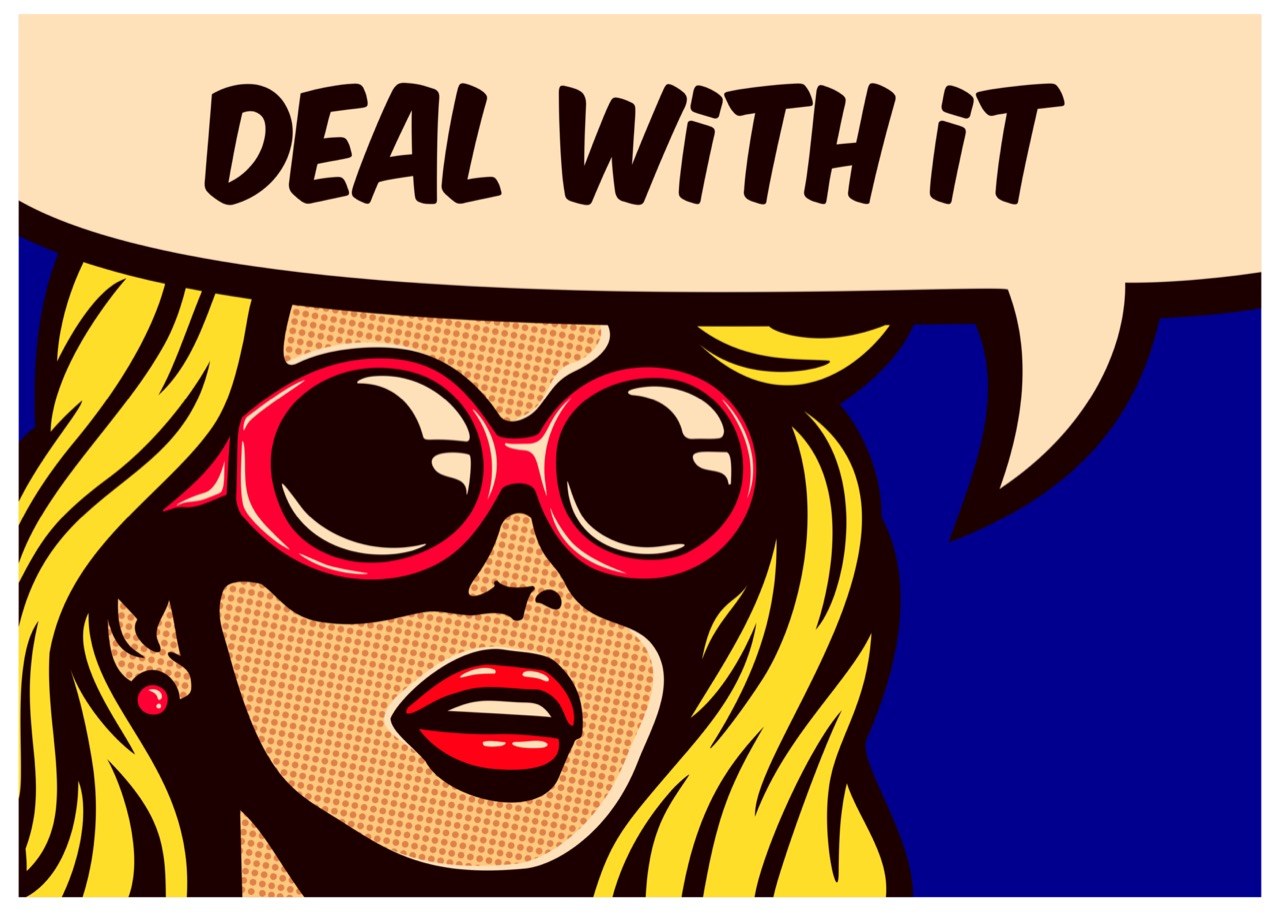
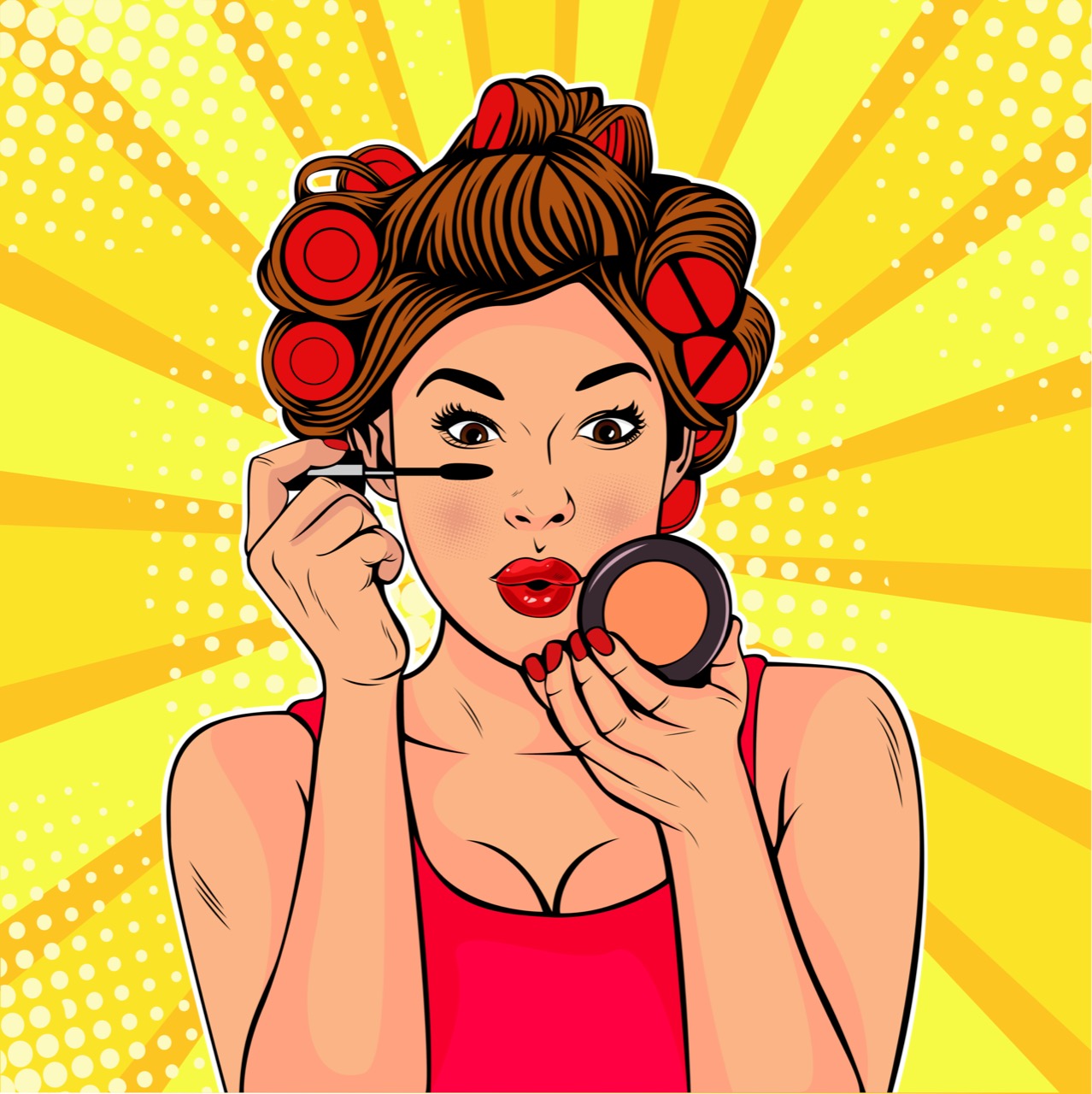
Another signature Pop look comes from Ben-Day dots, a printing method named after illustrator and printer Benjamin Day. In cheap comics and newspapers, tiny colored dots were used to create shading and secondary colors without expensive full-color printing. Roy Lichtenstein famously enlarged these dots until they became a pattern you could not ignore. What was once a hidden shortcut of commercial printing became a subject in itself, inviting viewers to notice how images are built from simple units. It is a visual reminder that mass media often feels smooth and natural only because its machinery is kept out of sight.
Pop Art also reflects the chemistry of modern materials. New synthetic pigments and acrylic paints offered brighter, flatter color than many traditional oils, and they dried quickly, matching the fast pace of commercial work. Plastics, vinyl, and industrial enamels entered studios, not just as themes but as actual substances. This mattered because Pop aimed for the hard shine of signage and packaging, the kind of surface that looks produced rather than painted.
Media technology shaped Pop Art as much as printing did. Television introduced a shared stream of images, slogans, and personalities, making fame feel both intimate and mass-produced. Advertising and graphic design provided a visual language of bold type, simplified shapes, and instant recognition. Pop artists often worked like designers or editors, selecting, cropping, and recontextualizing imagery rather than inventing it from scratch.
Even early computer imagery and space-age graphics influenced the era. In the 1960s, computers were huge, rare machines, but their output began to appear in public life through plotter drawings, pixel-like grids, and futuristic diagrams. Some artists experimented with algorithmic patterns and mechanical drafting aesthetics, while others borrowed the clean geometry of technical illustration. The fascination with rockets, satellites, and scientific progress fed a broader Pop mood: excitement mixed with irony, as if the future were both thrilling and slightly absurd.
What ties these threads together is a simple idea: Pop Art looks the way it does because the world that produced it was changing how images were made, copied, and consumed. When printing got faster, colors got bolder, and media got louder, art responded by becoming sharper, flatter, and more repeatable. Pop Art is not only about what people bought or watched. It is also about the hidden systems that delivered those experiences, the screens, inks, dots, plastics, and machines that turned modern life into a flood of icons.