Brass and Boilerplate Record Breakers Quiz

Quiz Complete!
Brass and Boilerplate Record Breakers: Steampunk’s Biggest, Boldest Feats
Steampunk has always been about turning the dials past sensible limits. It borrows the silhouettes and materials of the nineteenth century, then adds impossible engineering, theatrical bravado, and a love of spectacle that feels half history and half tall tale. That makes “record breaking” a natural fit for the scene, even when the records are unofficial, community celebrated, or deliberately tongue in cheek. Whether a feat is documented in a ledger or simply repeated with a wink at conventions, the point is the same: go bigger, faster, taller, shinier, and more intricate than anyone expects.
Some of the most memorable extremes happen at gatherings where hundreds or thousands of people agree to dress like airship captains, clockwork medics, and soot smudged inventors all at once. Large steampunk festivals and themed weekends often try to outdo each other with mass parades, group photos packed with goggles and top hats, and sprawling markets where makers show off wearable gadgets. These events function like living exhibitions. The “record” might be the biggest tea duel tournament, the largest number of people in coordinated Victorian inspired outfits, or the most elaborate group build, such as a shared airship deck set assembled from salvaged wood and painted canvas.
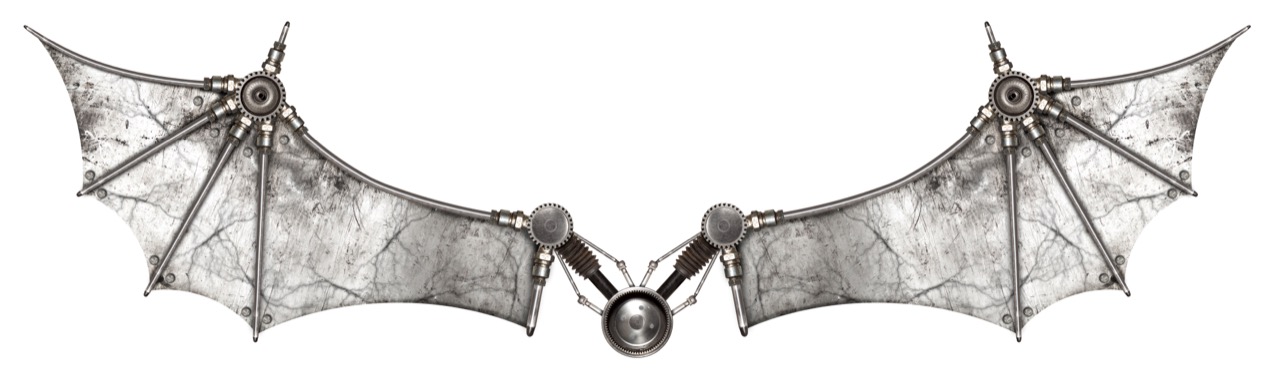
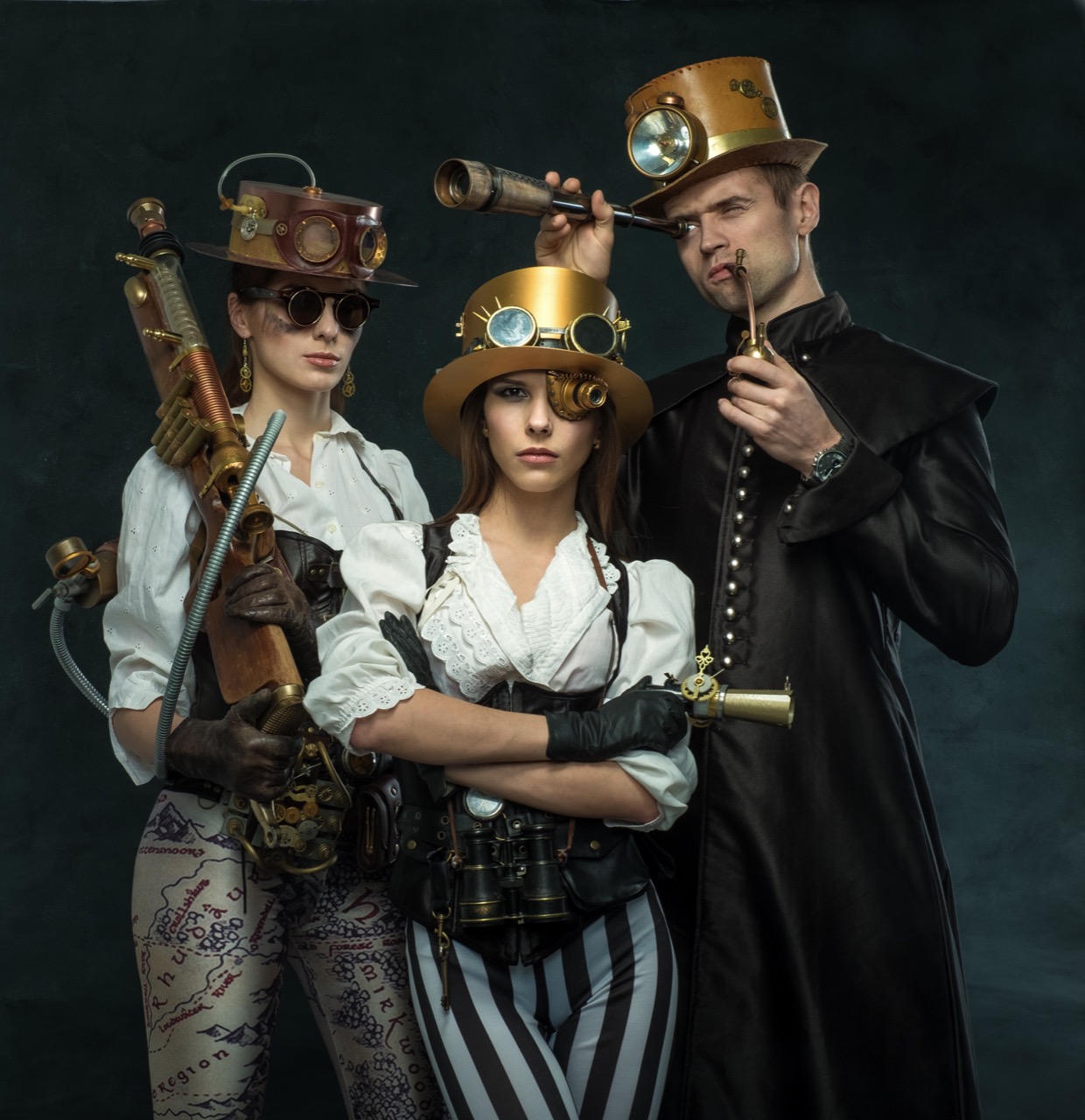
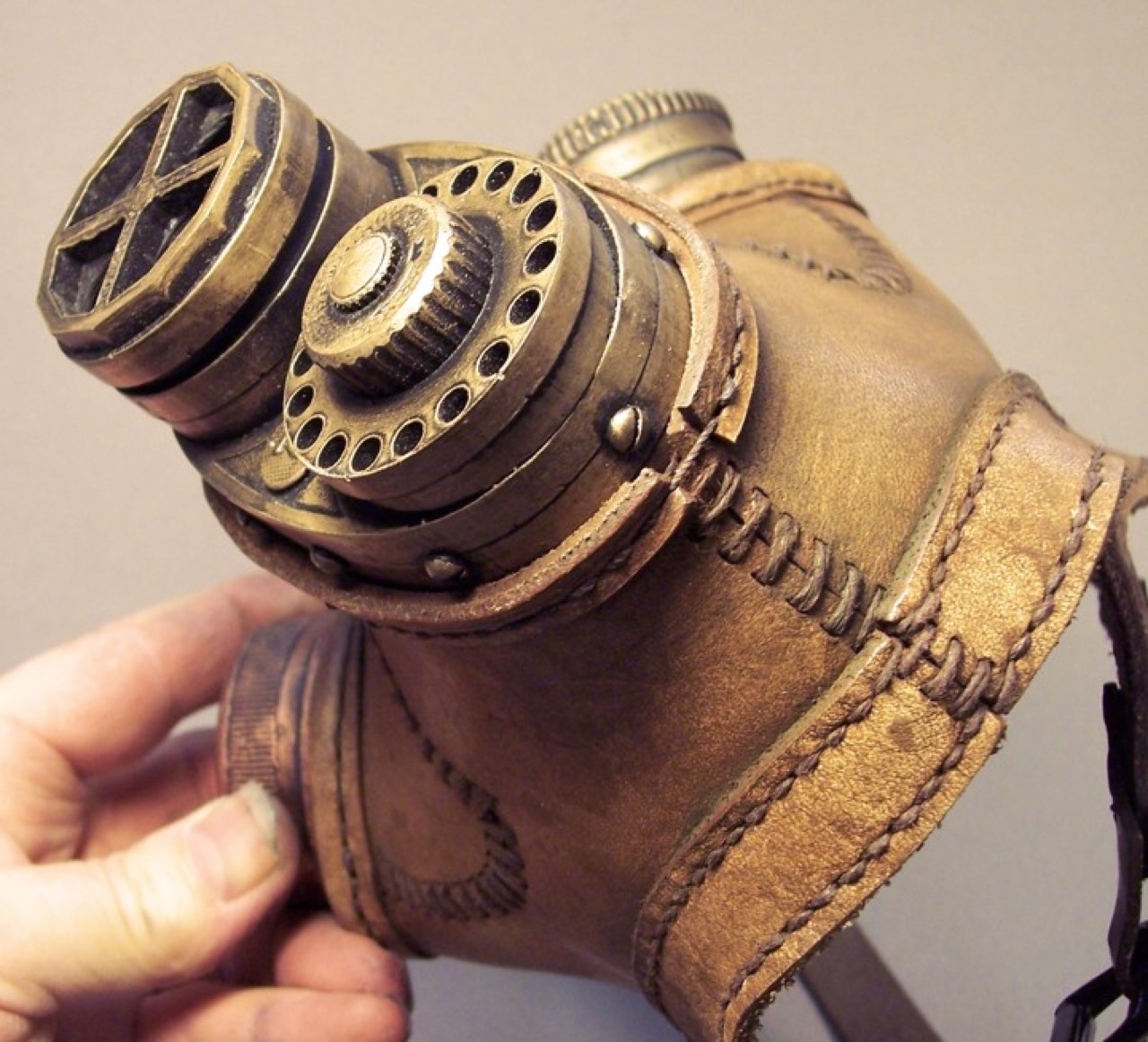
Costuming is where steampunk’s competitive spirit becomes most visible. The community prizes hand built details: leatherwork, etched brass, stitched corsetry, and props that look as if they have a working purpose. The biggest costumes are often less about size alone and more about complexity. Makers build articulated wings driven by hidden linkages, shoulder mounted “steam” vents using safe fog effects, and helmets with moving lenses. Even when the mechanisms are simple, the illusion is convincing because it follows real design logic: visible fasteners, believable wear, and parts that look as if they could be repaired with a wrench.
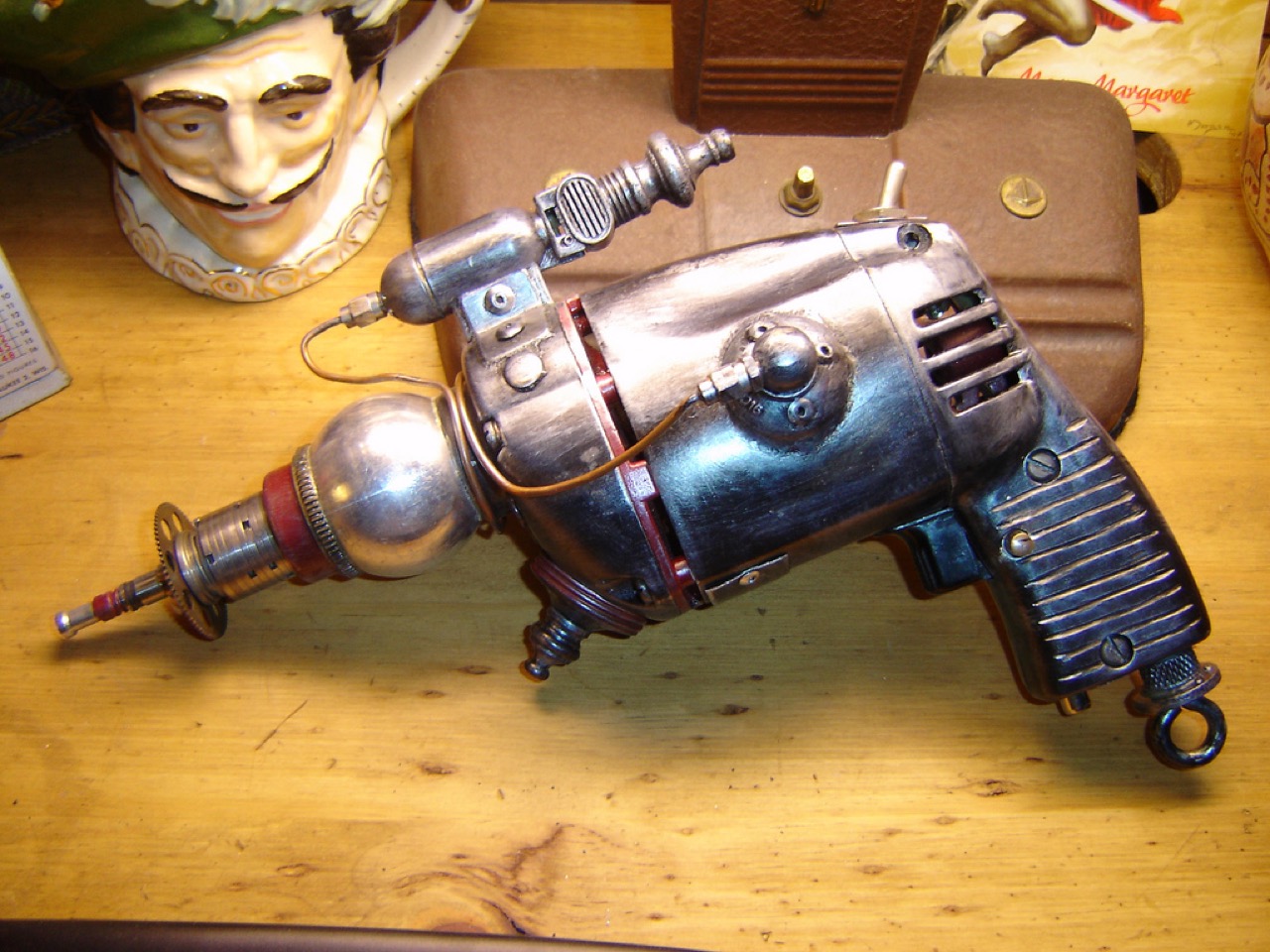
Machines built for steampunk spectacle sit in a fascinating space between art and engineering. You will see keyboard instruments turned into brass trimmed “analytical engines,” bicycles converted into penny farthing inspired cruisers, and mobility devices reimagined as elegant Victorian carriages. Many builds rely on real world tricks: lightweight materials disguised as metal, 3D printed components finished to look like cast brass, and modular frames that can be transported in a car and assembled on site. Makers often use patinas and layered paint to create the sense of age, because a perfectly polished surface can look less believable than something that appears maintained through decades of imaginary adventures.
Airships are the genre’s signature extreme, and they show how steampunk loves plausible impossibility. Real airships exist, but steampunk airships are usually theatrical constructs: parade floats, stage sets, or bar installations that mimic a gondola and rigging. The engineering lesson hiding in the fantasy is real: buoyancy, weight distribution, tension in cables, and the importance of a rigid frame. Even a purely decorative “airship” has to be safe, stable, and buildable, which is why experienced creators talk about load paths and materials as readily as they talk about rivets.
A fun part of the culture is sorting what is verified from what is legendary. Some feats are documented through official record keeping or widely reported builds, while others are community myths that survive because they feel true to the spirit of steampunk. A story about an inventor who built a gear driven contraption to solve an everyday problem might be exaggerated, but it captures the genre’s ideal: curiosity plus craft. In practice, the most respected makers are those who can explain how their device would work, even if it does not actually need to.
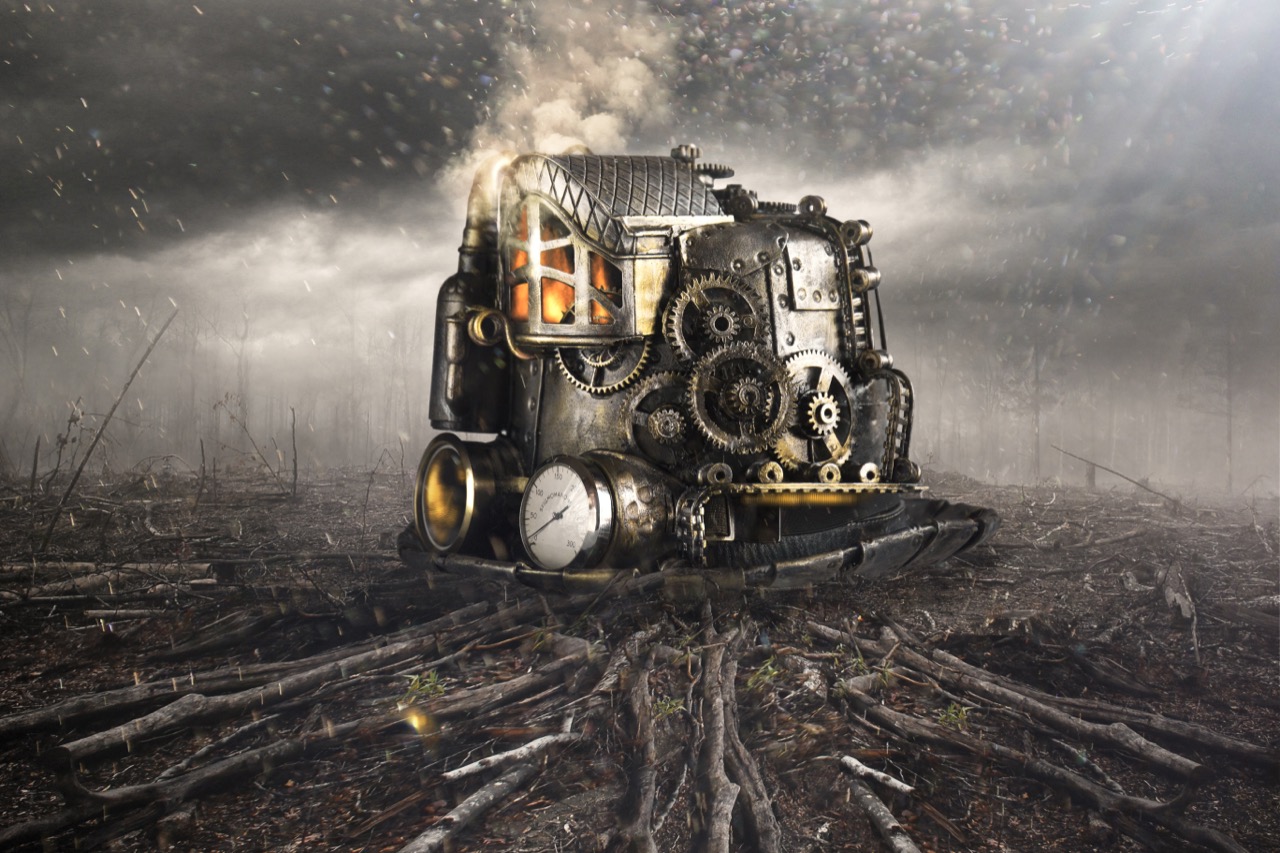
At its best, steampunk record breaking is not about winning so much as inspiring. The next time you see a towering hat bristling with miniature instruments or a rolling contraption that looks like a boiler on wheels, you are looking at a blend of costume design, theater, and practical engineering. It is a reminder that creativity can be measured in more than numbers, and that sometimes the greatest extreme is simply the willingness to build the impossible, then wear it out in public with confidence.