Beasts, Badges, and Myths: The Mammal Symbolism Challenge
Mammals sneak into flags, fairy tales, sports logos, and sacred stories more often than most people realize. This quiz explores how furry, finned, and even winged mammals have become powerful symbols of courage, wisdom, luck, and identity across cultures. From royal lions and trickster foxes to protective elephants and mysterious bats, each question uncovers how humans project hopes, fears, and values onto these animals. Expect a mix of cultural history, folklore, national emblems, and modern mascots, all centered on the symbolic roles mammals play. You might recognize some famous creatures from literature and movies, while others come from ancient traditions that still shape beliefs today. By the end, you will see that mammals are not just biological species, but living metaphors that help people tell stories about power, loyalty, freedom, and survival. Get ready to test how well you know the secret symbolic lives of mammals.
1
Which mammal is most commonly used as a symbol of courage and royal authority in European heraldry?

2
Which mammal is most strongly associated with memory, loyalty, and ancestral respect in many African cultures and modern conservation symbols?

3
Which marine mammal is commonly used as a symbol of peace, friendliness, and guidance for sailors in maritime folklore and modern tourism?

4
In many cultures, which domesticated mammal symbolizes loyalty, protection, and companionship, often appearing on family crests and in modern media?

5
Which mammal has become a global symbol of conservation and environmental protection, especially associated with the World Wide Fund for Nature (WWF)?

6
In many Western myths and stories, which mammal is most often used as a symbol of transformation and hidden power due to its nocturnal and flying habits?

7
Which mammal is widely used as a symbol of speed, competitiveness, and athletic excellence in sports team logos and racing imagery?

8
In Chinese culture, which mammal is widely regarded as a symbol of good luck, wisdom, and long life?

9
In Native American folklore, which mammal often appears as a clever trickster figure, using wit rather than strength?

10
In many European fairy tales, which mammal is frequently depicted as a symbol of wild freedom and untamed nature, especially in forests?

0
out of 10
Quiz Complete!
Beasts, Badges, and Myths: How Mammals Became Our Living Symbols
Mammals are everywhere in human imagination. They appear on flags, in fairy tales, on sports jerseys, and in religious stories. We may think of them as ordinary animals, but lions, foxes, elephants, bats, and many others have long served as symbols of courage, cleverness, protection, and mystery. By looking at how different cultures use mammals as symbols, we can see what people value and fear, and how they choose to tell stories about themselves.
The lion is one of the most famous symbolic mammals. Across Europe, Asia, and Africa, lions are often linked with royalty, bravery, and authority. Many national coats of arms and flags feature lions standing proudly or roaring, suggesting strength and leadership. Even in places without native lions, this big cat became a convenient symbol of kings and heroes. Over time, the lion turned into a kind of shorthand for power under control: dangerous, but noble.
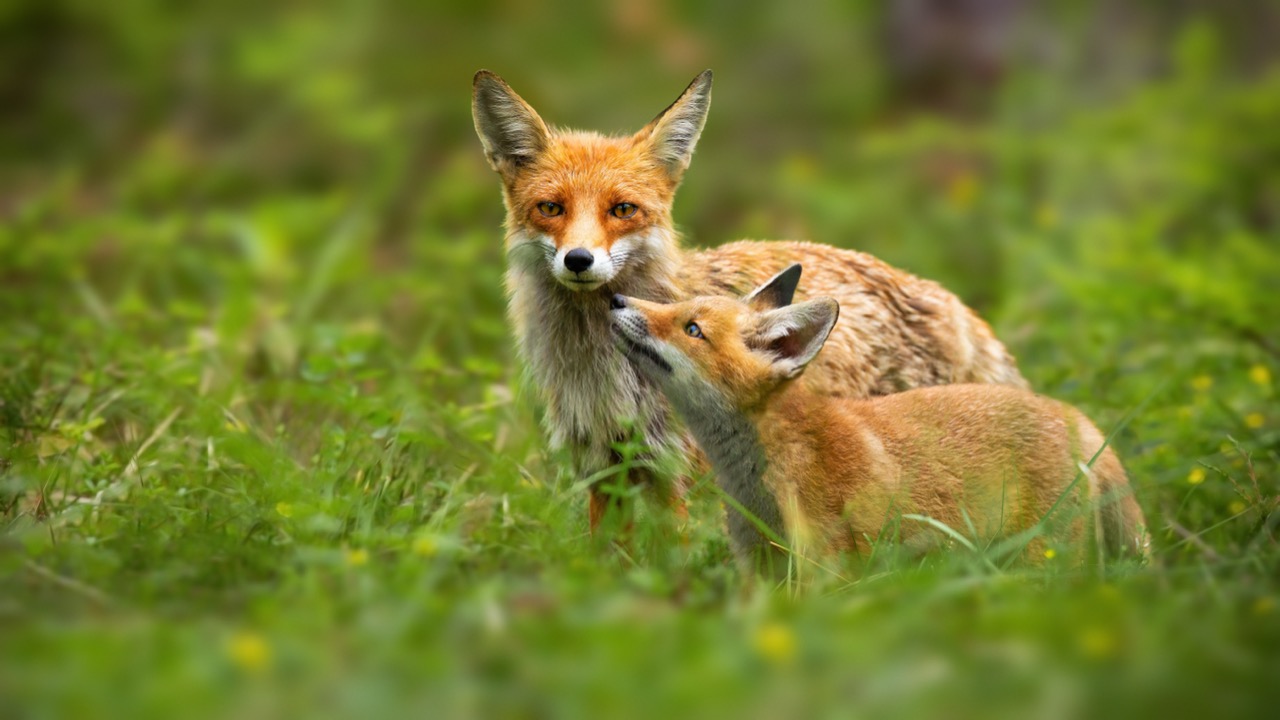
Foxes tell a different kind of story. In European folktales, the fox is usually a trickster, clever but sometimes dishonest. In Japanese tradition, the fox, or kitsune, can be a shape shifter, both wise and mischievous, sometimes a guardian and sometimes a deceiver. These tales show how people admire intelligence and cunning, while also warning that such talents can be used for selfish purposes. The fox, as a symbol, lets storytellers explore the gray areas between wisdom and deceit.
Elephants often stand for memory, patience, and protection. In many Asian cultures, elephants are sacred or royal animals. In Hindu tradition, the elephant headed god Ganesha is a remover of obstacles and a bringer of good fortune. In modern politics, an elephant symbolizes one of the major parties in the United States. Its size and calm strength make it an appealing emblem for stability and reliability.
Some mammals that make people uneasy still carry powerful symbolic meanings. Bats, for example, are often linked with darkness, night, and the unknown, especially in Western stories. They appear in horror tales and superhero comics, representing fear, secrecy, or transformation. Yet in parts of China, bats can symbolize good luck and happiness, because the word for bat sounds like the word for fortune. The same animal can mean very different things depending on the cultural lens.
Mammals also help represent group identity in modern life. Sports teams choose bears, wolves, tigers, and dolphins as mascots to suggest strength, teamwork, speed, or resilience. Fans wear these animals on jerseys and hats as a badge of loyalty. Companies and organizations do something similar with logos, using mammals to express qualities they want to be known for, such as agility, friendliness, or reliability.
Even in popular books and movies, mammal characters often stand in for human traits. A loyal dog, a wise old elephant, or a rebellious cat can express ideas about friendship, memory, or independence more clearly than a human character might. These animal figures allow audiences of all ages to connect emotionally with big themes like freedom, justice, and survival.
When we look closely, mammals are more than species in a biology textbook. They are living metaphors that carry our hopes, fears, and values. Whether they roar from royal banners, whisper through legends, or charge across a stadium logo, these creatures help people imagine what courage, cleverness, loyalty, and freedom look like. By paying attention to the symbolic lives of mammals, we learn not only about animals, but also about the stories humans tell to make sense of the world.